
Design Mood
Have a Style
You
Already
It isn't built to help you choose between two things you love.
For people who are better at ruling out than picking, and have never been handed anything to rule out with.

DESIGN MOOD IS A PRIVATE Two-Hour INTERIOR DESIGN SESSION FOR THE CHOICES IN FRONT OF YOU

You bring the decisions that have been sitting open. I look at what you've already chosen, what you live with, wear, keep, replace, and return to, and we use that evidence to figure out which option fits the room and the way you use it.
Then we work through three real choices until each one is made and dated.
$497
Only 5 spots per month
WHATEVER’S BEEN SITTING OPEN FOR TWO WEEKS GETS A REAL ANSWER IN
Two Hours
For most people who find Design Mood, looking for more stopped being useful a while ago.
You know which sofa keeps making it back into the tabs. You know which of the two whites looks better on your wall.
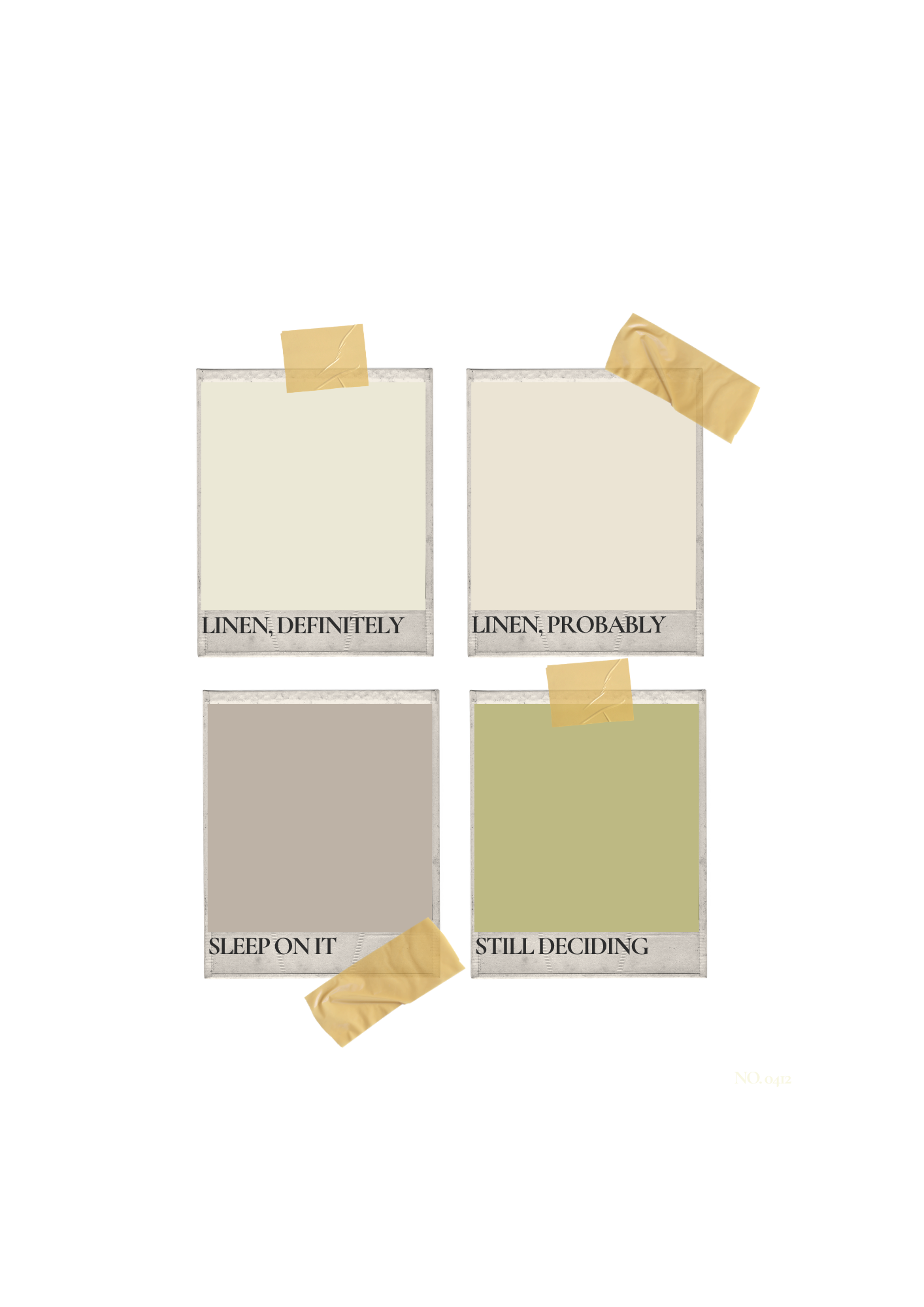
You've known for weeks, maybe months, and it's common to still end up with four paint samples, three opinions, a rug you bought and couldn't return, and a room you've stopped mentioning when people ask about it.
Design Mood is two hours, three decisions, and a filter built from what's already in your closet and your rooms. When you bring that sofa, you leave knowing whether it's the one and when it's getting bought.
Her answer was hanging in her closet the whole time.
THE THING YOU’VE BEEN MEANING TO
Replace Since Last Year
LEAVES THE SESSION WITH A DATE ON IT
The True Filter comes first. By the time we meet, I've gone through your photos and your closet, so we open by looking at what I found and checking it against you. You correct what's off, and what's left is what we decide with.
The Five-Minute Risk Check comes out whenever a decision starts sliding back open mid-session. It asks whether the risk in front of you is real, or whether it only exists because the door is still open. Most of the time, it's the door.
Then Three Done Moves. You pick the three that have waited longest.
We take each one through your Filter, name what still needs checking (a measurement, a sample in real light, a price), and put a date on it before we move to the next.
You'll be able to:
See what your existing choices are already telling you, so the sofa question gets answered by your own house.
Separate useful information from noise, because not every opinion, review, or saved image deserves a vote.
Catch the "maybe I should look at a few more" moment for what it is, before it sends you back to the search.
Choose against what this room needs, instead of against every better option that might exist somewhere.
Buy the piece once, instead of the cheaper stand-in you'd have replaced by spring.
LOOKING FOR THE ANSWER Becomes the Reason YOU HAVEN’T CHOSEN ONE
"I left having made the decision, and I haven't second-guessed it since, which for me is kind of a big deal." — C.R., after being stuck on one decision for five months
WHAT You Hand Me, What We Do WITH IT, AND WHAT You Keep
Before we meet
So your two hours go to the decision, not the backstory.
A short questionnaire covering what you're deciding, what you've already tried, and where it keeps reopening.
So I've seen the room before you say a word about it.
A photo upload of your room, the options you're weighing, and your closet.
During our session
Two hours that start on the decision.
A private two-hour Design Mood session on the decisions open in your home. No spending the first half catching me up on the room.
A reason for each choice that came from your own house.
Your True Filter, built from what you sent.
An answer ready for the "what if there's something better" thought.
Your Five-Minute Risk Check.
Three things off your list, each with a date.
Three Done Moves.
After we meet
Nothing to reconstruct from memory a week later.
Your personalized Lookbook: a PDF of your True Filter, your Risk Check, and all three decisions with their dates.
The logistics
Investment: $497
Format: Private, two-hour virtual session
Before the session: Complete the questionnaire and upload your photos
Availability: Five spots per month
Continuing into Mindful Home Creator: your $497 comes off MHC if you join within 30 days of our session.
BY THE END OF Design Mood,
YOU’LL HAVE:
Three decisions you've been putting off are made, and you know the week each one happens.
The money you'd been saving for "once I'm sure" has somewhere to go.
You can say out loud why you chose each one, which is what makes it easier to leave alone.
And then the room gets to do what rooms are for. The wall gets painted. The rug arrives. The chair gets bought without a photo going into the group text first. You have people over on four hours' notice. You buy something in October and it works with the thing you bought in March.
Oh hey-
I’m adriana,
Interior design for people who are done asking everyone else.
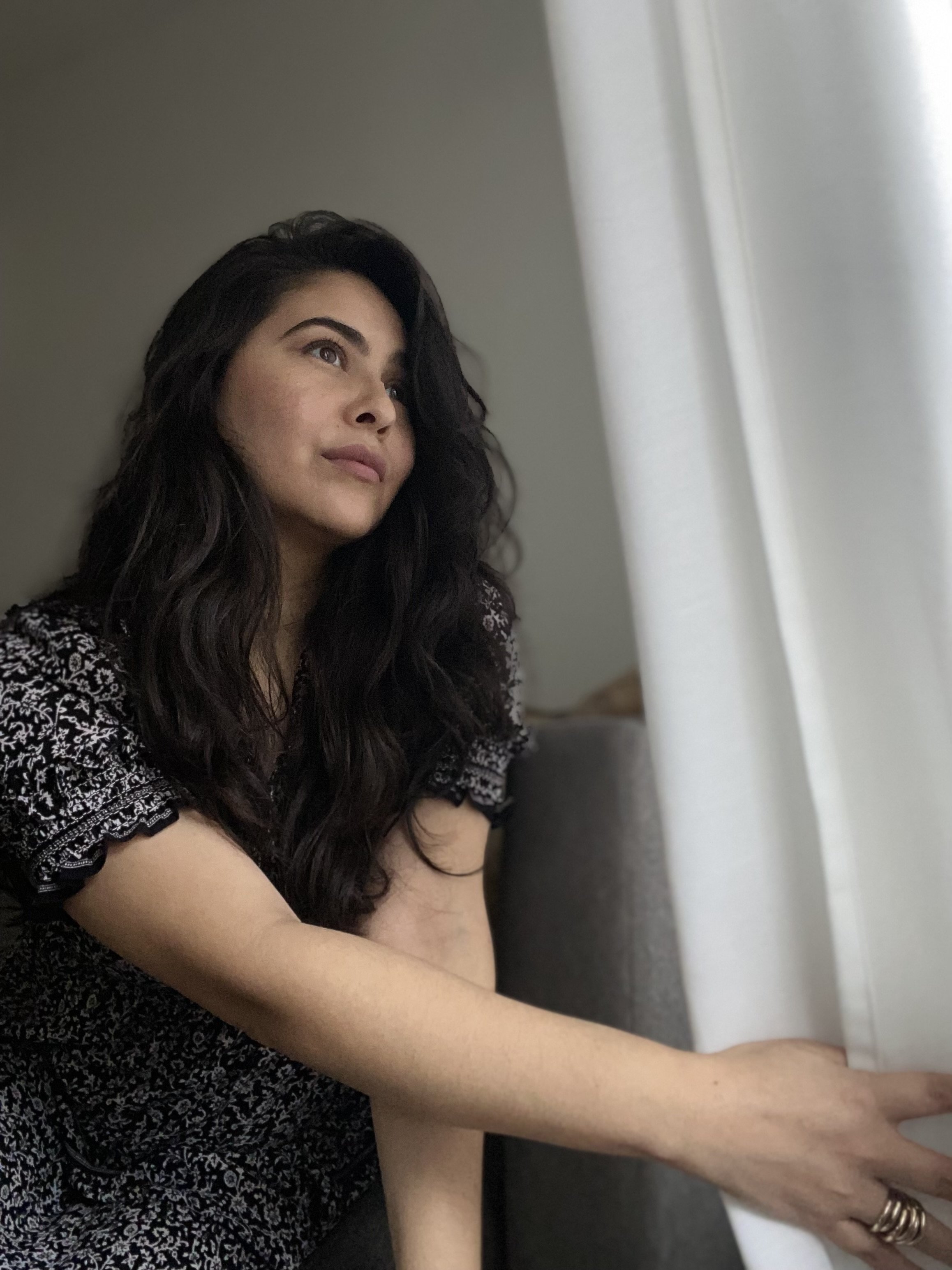
I'm an interior designer, but Design Mood exists because I've watched enough design decisions to know that the room isn't always the problem.
Sometimes the room is capable of telling you what it needs. The harder part is deciding which information gets to count.
A designer can recommend a sofa. Pinterest can give you 400 more. Your sister can have an opinion. The reviews can tell you seventeen things about the fabric. None of that guarantees you'll stop reopening the decision.
My work sits in the space between "I love this" and "I'm sure about this." Certainty isn't available for every decision. Sometimes there's more to find out, the budget is wrong, the layout doesn't work, or the piece isn't right.
The point is knowing the difference. Discernment asks questions until it has enough information. Fear keeps asking after the answer is already available, usually dressed up as the worry that closing this decision means you missed the better option somewhere.
Careful is good. What I help you spot is the point where the search stopped helping and started being a way to avoid the choice.
A few things I believe:
Your home already contains evidence of your taste.
Good design doesn't require endless choice.
An expert can help you see more clearly. They can't remove your responsibility to choose.
Changing your mind isn't proof that you chose badly.
One closed choice is worth more than another hundred options.
"Her unwavering enthusiasm, patience, and exceptional eye for color palettes."— a client, on what she didn't expect to get out of a design session
What Three Closed Decisions Cost
$497, one payment, for a private two-hour session on three decisions in your home.
You get: pre-session questionnaire, photo review, two-hour private Design Mood session, True Filter, Five-Minute Risk Check, Three Done Moves, and your personalized Lookbook.
ONE THING I KNOW
For Certain
Nobody can promise you'll never second-guess a decision again, and I won't. When you can tell which questions deserve another look, the rest stop getting one.
You don't have to know exactly what to say before you book.
"Adriana went above and beyond to make the booking process seamless and welcoming."
— someone who was nervous about booking
You probably have questions
-
Because taste and commitment are different skills. You can have a very clear reaction to something and still start looking for reasons not to choose it. We look at what happens in that space between "I like this" and "I'm willing to live with this."
-
Design expertise still matters here. What I'm interested in is what happens after the expert gives you an answer. I'll bring my eye, experience, and opinion, and you'll still be the one who decides.
-
Please do. I'm an interior designer. I have opinions. I'll tell you when the scale is wrong, when the proportions aren't helping the room, when the material isn't going to behave the way you want, and when I'd leave something alone. You don't have to agree with me. Disagreeing tells us something useful too.
-
Then we look at the room. Sometimes one has better scale. Sometimes one works better with the light or materials already there. And sometimes they're both good. You don't need me to manufacture a wrong answer so choosing feels safer.
-
Because you've already made years of choices before we ever meet. Your closet is evidence. So are the things you've kept, the colors you repeatedly buy, the materials you touch in stores, and the things you notice without meaning to. I'd rather look at that than ask you to pick a design style from a dropdown menu.
-
Then we don't assume spending more will solve the problem. The expensive thing might be exactly right, or it might not. Or the room is fine and you're still treating every choice as something that needs to be reconsidered. Those require different answers.
-
I don't find that label particularly useful. You might choose a restaurant in thirty seconds and spend six months choosing a sofa. The stakes are different. I'm more interested in what happens when the choice matters enough that you want guarantees before you'll make it.
-
Then you change it. Nobody's asking for a lifetime commitment to a lamp. What matters is whether something changed, or you've become uncomfortable with having chosen at all.
-
No. I'll narrow it down, recommend, and tell you what I see and what I'd do. Then I'll help you make the call. I don't want to become the person you need to text every time you see a new chair.
-
No. Design Mood is focused help for the choices already in front of you. If you want someone to design the entire room, that's a different service.
-
Design Mood is for the decision you can't make. Mindful Home Creator is for when you realize the decision was never the whole problem. If you don't know yet, tell me what's happening. You don't need to name the problem before we can look at it.
-
Yes. If you join Mindful Home Creator within 30 days of our session, the full $497 comes off your MHC total. You'll already know how I work, and you won't pay twice to find out.
Bring the Decision You’ve Opened More than Twice…
and it's made before our two hours are up.
Five spots a month.
Every month it stays open is another month of living around it.