
I'M AN INTERIOR DESIGNER FOR PEOPLE WHOSE closet MAKES MORE SENSE THAN THEIR LIVING ROOM.
IT ALL STARTED WHEN I noticed clients reacting to a room long before they could explain why, and then talking themselves out of the reaction.
MY NATURAL GIFT IS noticing what you reach for without thinking, and saying it out loud before you've caught it yourself.

FOUR PROMISES, NO FINE PRINT
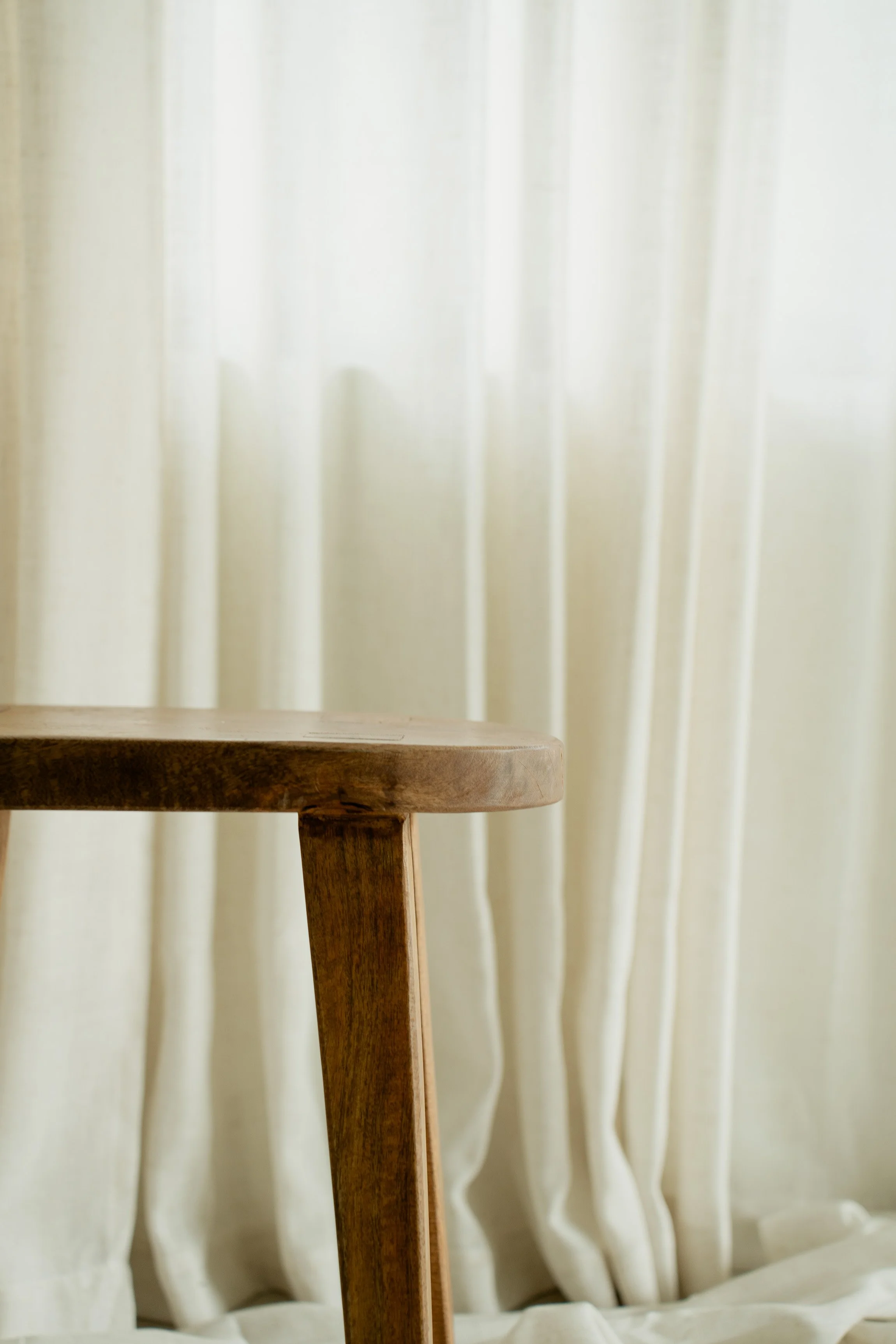
Secondhand before new, whenever secondhand exists.

Nobody feels behind for needing help.

A room that looks more like the person living in it than the portfolio it came from.
Saying what I see, plainly, even when it isn't the answer you were hoping for.

THE SPIRAL, FROM THE INSIDE
When I started in this industry, I followed the rules I was taught. You hire me for a problem, I deliver a solution, we both move on. Clients got their rooms, and most of them were happy with them.
Over time I noticed a pattern. The more options I brought to a session, the quieter some clients got. A room would get closer to finished, and the person living in it would get less sure.

I recognized it, because I'd done the same thing to myself. Designing for someone else comes naturally, and designing for yourself is a different sport. I could talk a client through a dining table in an afternoon and still spend weeks going back and forth on something for my own place. I know the spiral. I know the pull of one more option right when it's time to commit.

What changed that for me was somatic work, learning to notice where my body tightens before my head catches up: the knot in my throat, the pit in my stomach, the way my shoulders drop when something is right. Once I could feel those, I started seeing them in clients too. Someone walks into a room and her body answers before she has words for why. Most design processes skip right past that answer and go straight to the mood board.
So that's where my design motto comes from, and it's the only rule I'd put on a sign: if it doesn't feel right in your body, it's a no. I don't care how good the reviews are.
THESE DAYS, if I haven't found the right piece, the spot stays empty, sometimes for months, sometimes close to a year. Patience is what gets me to choices I'm still happy with later. My own rug sat in my cart for months before I bought it on an end-of-year sale. I'm still saving for the vintage one.
SEVEN THINGS YOU'D KNOW IF WE WERE ALREADY FRIENDS (SNACKS INCLUDED)
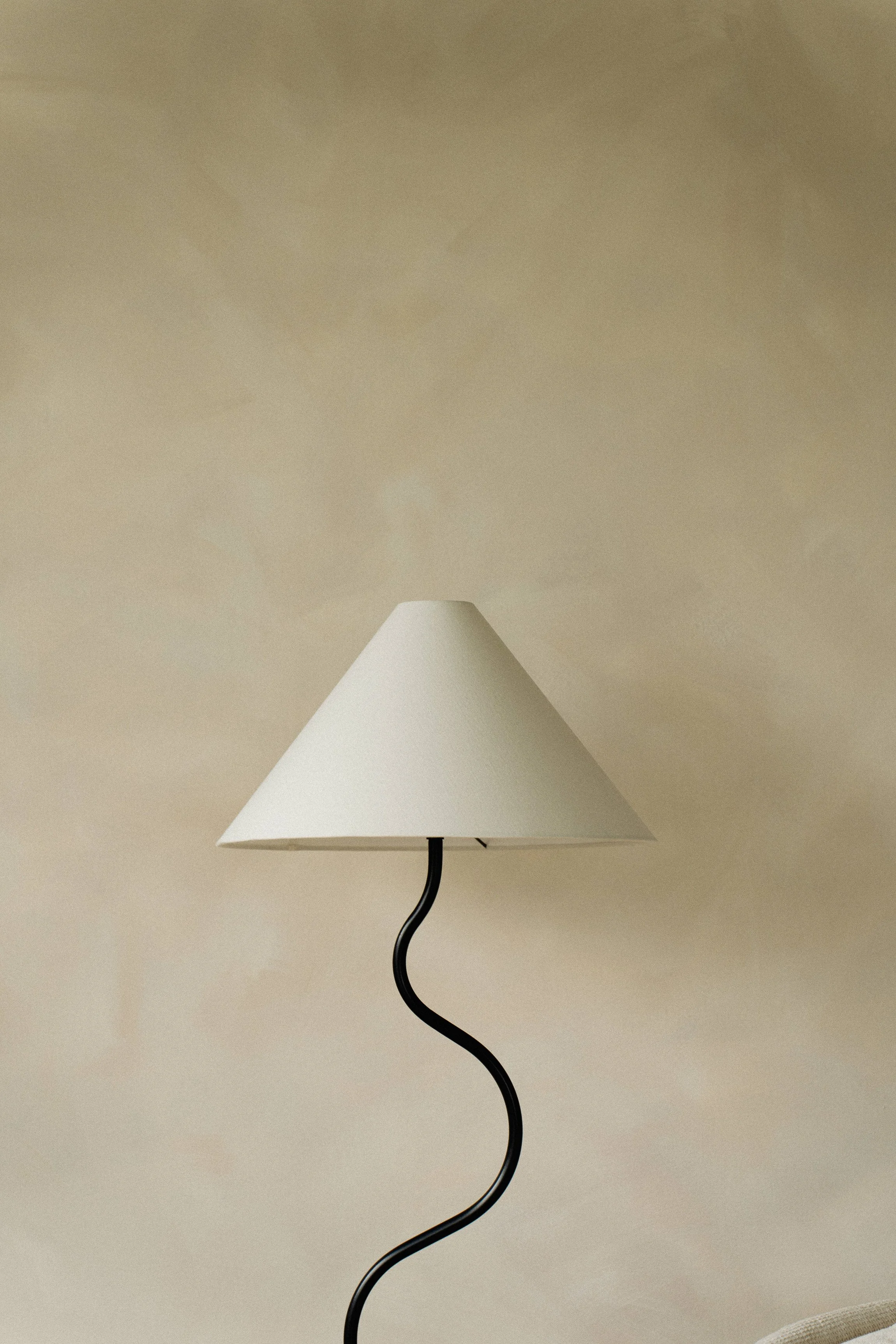
Empty walls don't scare me.
I call it breathing room.

When I walk into your home, I notice two things before I've said hello: whether everything is pushed against the walls, and whether the furniture is the right size for the room. By the time I sit down, I've already pulled the sofa toward the middle in my head.

Snacks are the one category where more is always correct, and I will not be accepting feedback on that.

I will talk you out of a sale. A great price on the wrong size is still the wrong size.
If I see a trend everywhere, that's my exit sign. Give it six months and the same people will be pretending they never liked it.
My favorite secondhand finds are frames and fabric. I'll frame a good textile the way other people frame a print.

I'm an ocean person who'll sit in the sand for hours and be perfectly happy never getting in the water.

"SHE ASKED ABOUT MY CLOSET FIRST"
"I have worked with a designer before and ended up with a living room that looked like a hotel lobby. Don't get me wrong, it was breathtaking. It just wasn't realistic to my lifestyle.
Adriana asked about my closet first, not my Pinterest board, which threw me at the time. Then she started naming things I'd never noticed about myself. You always wear linen. You never touch cool tones. You reach for texture before you reach for color.
I just sat there thinking, yeah. Yeah, I actually do.
She didn't jump in to tell me what I should have in my home. She didn't have to. She just handed the evidence back, things I was already drawn to, and let me see it for myself.
The panic's gone now. I bought a rug last month and didn't text a single person to ask if it was fine.
If you're on the fence about whether this works, I've been there. I don't regret listening to my gut and just going for it." — someone who'd already tried the traditional designer route
