I asked Her what Made Her Certain
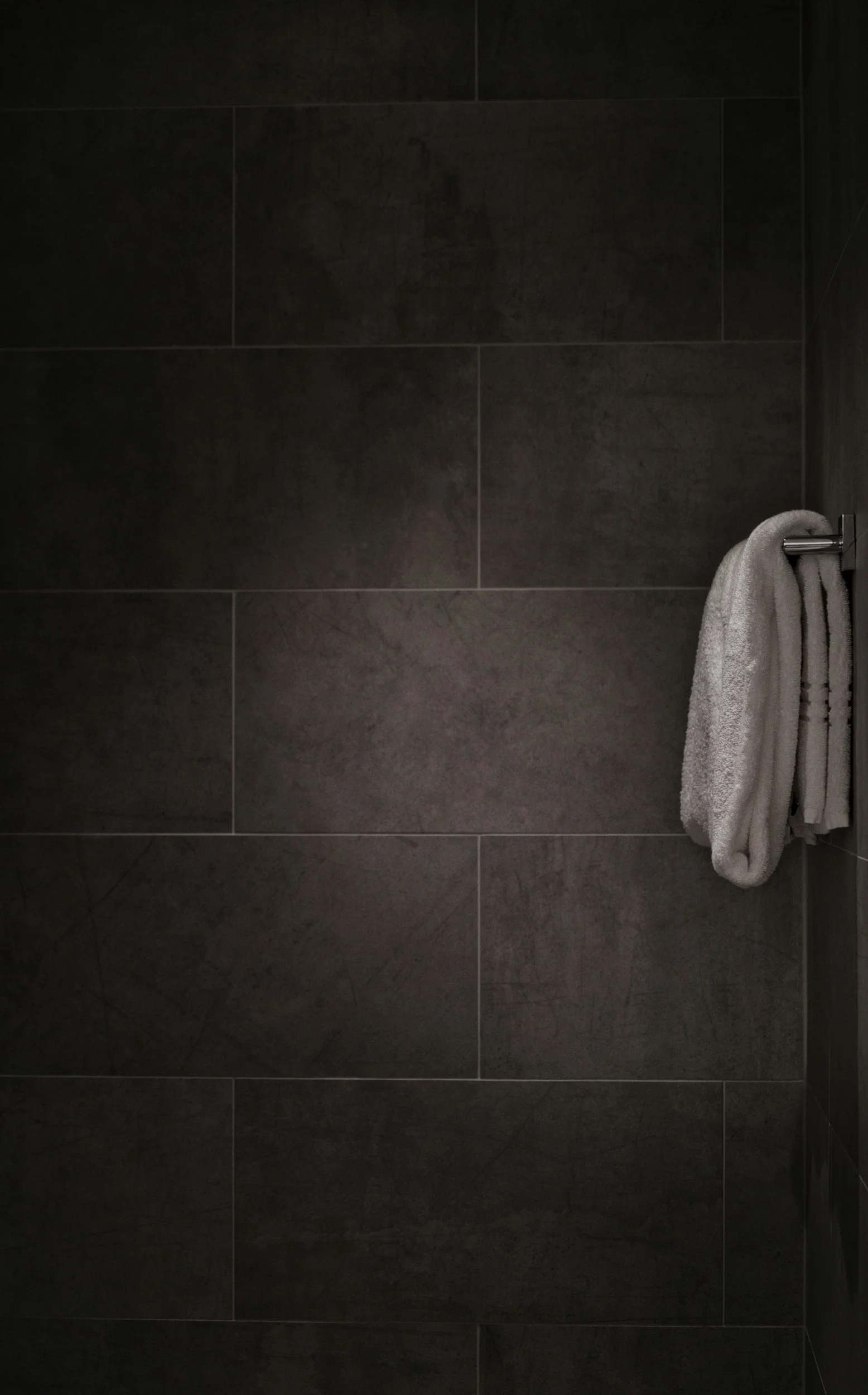
Image | Unsplash
She said the price. I heard her exhale.
Six words. She answered honestly and it was over.
The guest bathroom is the part of this story I think about most, and it's not even the part with the sofa in it.
She'd hired me for the kitchen and the living room. Cosmetic stuff. The living room was narrow and dark, every piece of furniture flattened against a wall, which I'd already clocked and hadn't said anything about yet.
Partway through she says, I'm embarrassed, but would you look at the guest bath.
Charcoal tile. Stark white light. Extremely modern shower. Not my thing, but that's irrelevant, plenty of people love that and it's a perfectly good bathroom.
I asked what the inspiration was. Her friend had done hers that way. They'd loved it in her house. We hate it now, she said.
Thousands of dollars. Inside a year. On a room they'd started avoiding.
I want to say something here that I don't think designers say. When a client tells you that, there's a version of you that thinks well obviously, you copied someone. I've thought it. I'm not proud of it. It took me embarrassingly long to understand that copying wasn't the failure, it was the symptom, watching someone with perfectly good instincts do the only thing available to a person who has no reason of her own to reach for.
We went slow after that. Earthy paint in the kitchen. Warmed the bathroom instead of tearing it out, greens and browns and wood, changed the lighting, hung a cream linen curtain high so the drop from the rest of the house wasn't so violent. Scaled the living room furniture down to fit the room she actually had.
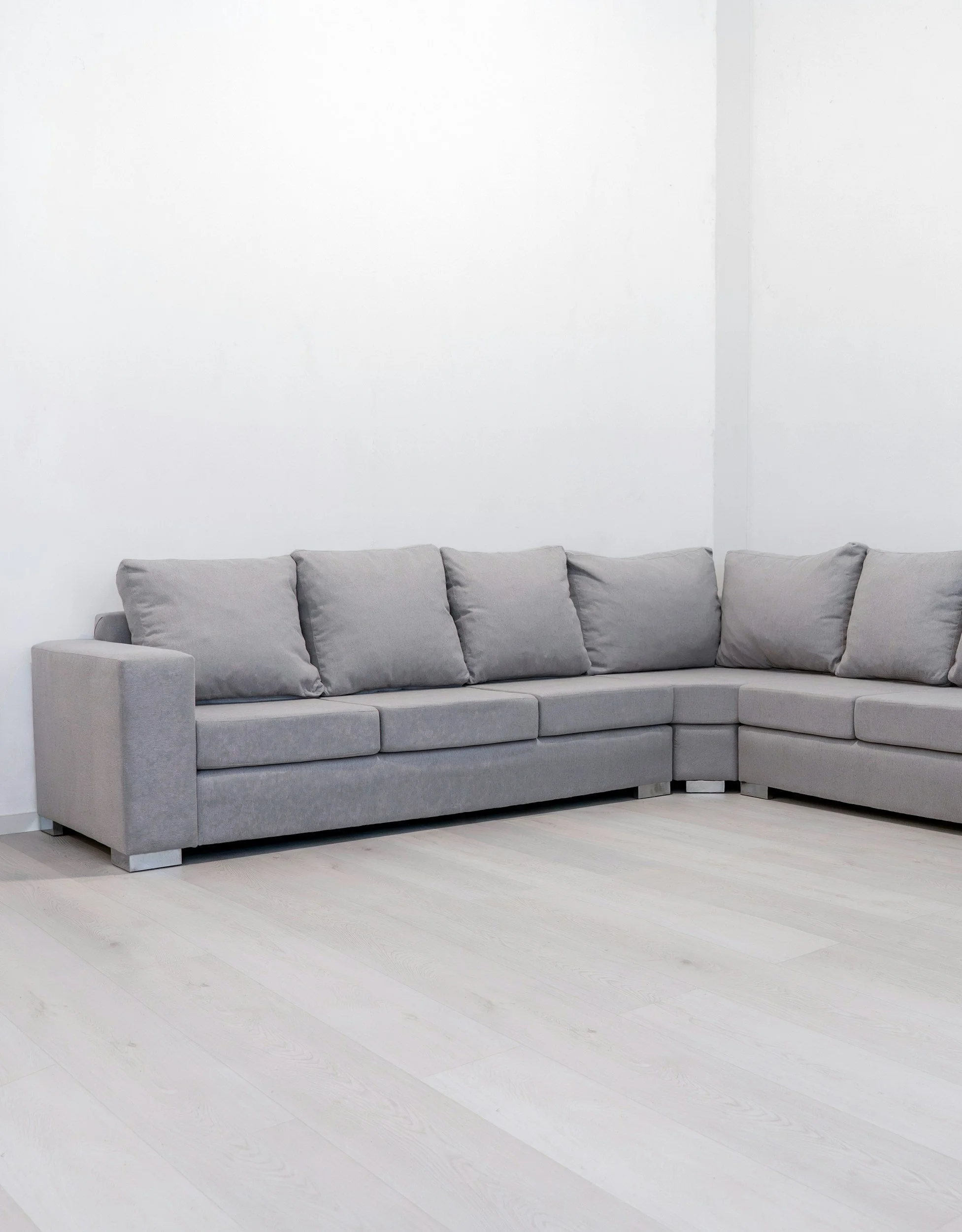
Image | Costa Live
Then the Sofa
Weeks of it. Leather samples in her own light, she went and sat on it at the store more than once, we measured it against a room that genuinely could not take anything bigger. It was right. She was ready. Nobody rushed her, and I need you to hold onto that, because it's the part that makes what happened next interesting rather than annoying.
Saturday she's at Costco. Grey L-shaped fabric sectional. About a thousand less. (Costco does not sell furniture so much as it sells the sensation of having outsmarted someone.)
My phone rings. First the photos. Then a text. Then the whole argument, laid out, one message after another. It's basically the same thing. It's bigger, which is better, right. It's a thousand dollars.
You can watch somebody build a case in real time and know they've already lost it. That's what that was. She wasn't asking me. She was asking me to help her not know.
Five years earlier I'd have said no, it's too big for the room, here's why, and she'd have bought it anyway, or not bought it and resented me a little either way.
So I called her and asked: what is it about this one that makes you certain?
Pause. Then, honestly, the price.
I heard her exhale, because she heard it come out of her own mouth. I didn't have to do anything after that. I said something about what we'd agreed the room needed, and she went, you're right, that's definitely what I want.
Ninety seconds. She bought the leather one and has never mentioned it since.
I'd been telling people true things for years and it did nothing. I could've gone into scale, fabric versus leather, how the grey would sit against the paint we'd just chosen. All correct. All useless, and I know it's useless because I'd watch someone accept a true answer on a random weekday and come back with the same question in a different outfit the following week.
What stops a person is hearing their own reason out loud. That's the entire mechanism, and I stumbled into it.
Try answering what makes you certain with a preference sometime. You can't. Nobody says I'm certain because it's nice. Either you've got a reason that survives being spoken, or you find out, live, on the phone, that you were about to spend a thousand dollars to avoid spending two.
She was never confused about sofas. Smart, careful, did everything right. What she didn't have, standing in a warehouse on a Saturday with a good deal in front of her, was anything solid to hold it against. So the price became the reason, because the price was the only fact in the building.
That's all a FILTER is. Not taste. Something to hold things up against.
Before that call she'd walk into her house and see a list. Bare wall, bathroom they hated, furniture that didn't fit, the thing she kept meaning to deal with. Her home was a pile of open items and she was behind on every one.
After, she walked in and saw a house with reasons in it.
Not finished. Some of it still wrong, and she could tell you exactly which parts. But wrong on purpose, wrong for a reason she could say out loud, which is a completely different thing to live inside than wrong for reasons you can't put your finger on.
That shift happened before she bought anything.
The bathroom and the sofa have this in common, and it took me a while to see it. The bathroom came from a friend's certainty. The sofa came from a number. Both external. Both had nothing to do with her. Same thing twice, a person with no internal reason grabbing the nearest external one.
The bathroom cost more than the sofa ever would have. The expensive ones never look expensive going in. They look sensible. On budget. Careful, even.
I don't promise a better-looking house. I want you to be able to answer that question about your own stuff, without me, in a furniture store on a Saturday, or at eleven at night with your card already out.
Image | Unsplash
Because of what happens after. The decisions stop being decisions. You walk in, something either passes or it doesn't, it takes four seconds, and there's no aftermath. You're not returning it in your head for six months. You're not walking past it every day carrying a low hum of not-quite-right you stopped noticing you were carrying.
It isn't about furniture. It's your house going silent on you. You come home from a day that took something out of you and the place doesn't ask you for anything, because everything in it is there for a reason you gave it, and nothing in it is waiting on a decision you've been dodging since March.
Most people spend years inside a permanent almost. Waiting on a budget, a timeline, some taste they assume shows up later. The actual life is happening in a house that's stuck being a project, and nobody gives those years back.

You don't have to earn it first. You don't have to buy one more thing before you're allowed to feel alright in there.
You need a reason you'd be willing to say out loud.
Design Mood is two hours to build that. Not your style direction. The thing you hold choices against, so the next one takes an afternoon instead of a year.