The quiz called you Eclectic
It ran out of boxes.
There's a comment under Bobby Berk's style quiz I keep going back to.
She took it, answered honestly, and the quiz told her Eclectic. What she wrote back, paraphrased: eclectic was probably the best result available, since she likes things from nearly every style, except it doesn't help her pick anything. So she buys what she likes, and when it doesn't work together, she tells herself well, I'm eclectic. Then she typed HaHa.
She went in looking for a reason to trust herself. She came out with a word for too many things to be sorted, repackaged as a result, handed back like a consolation prize.
The quiz didn't find her. It printed a placeholder so the results didn't stay blank, and called that clarity.
Eclectic isn't a style. It's what happens when a sorting machine runs out of boxes and still has to produce an answer.
She laughed. I didn't.
That laugh is defeat, dressed as charm. She went in honest. She came out with a punchline she'll use for the next three years, because at least it's something to say when someone asks.
The BB Edit
Ten Styles Because Ten Collections
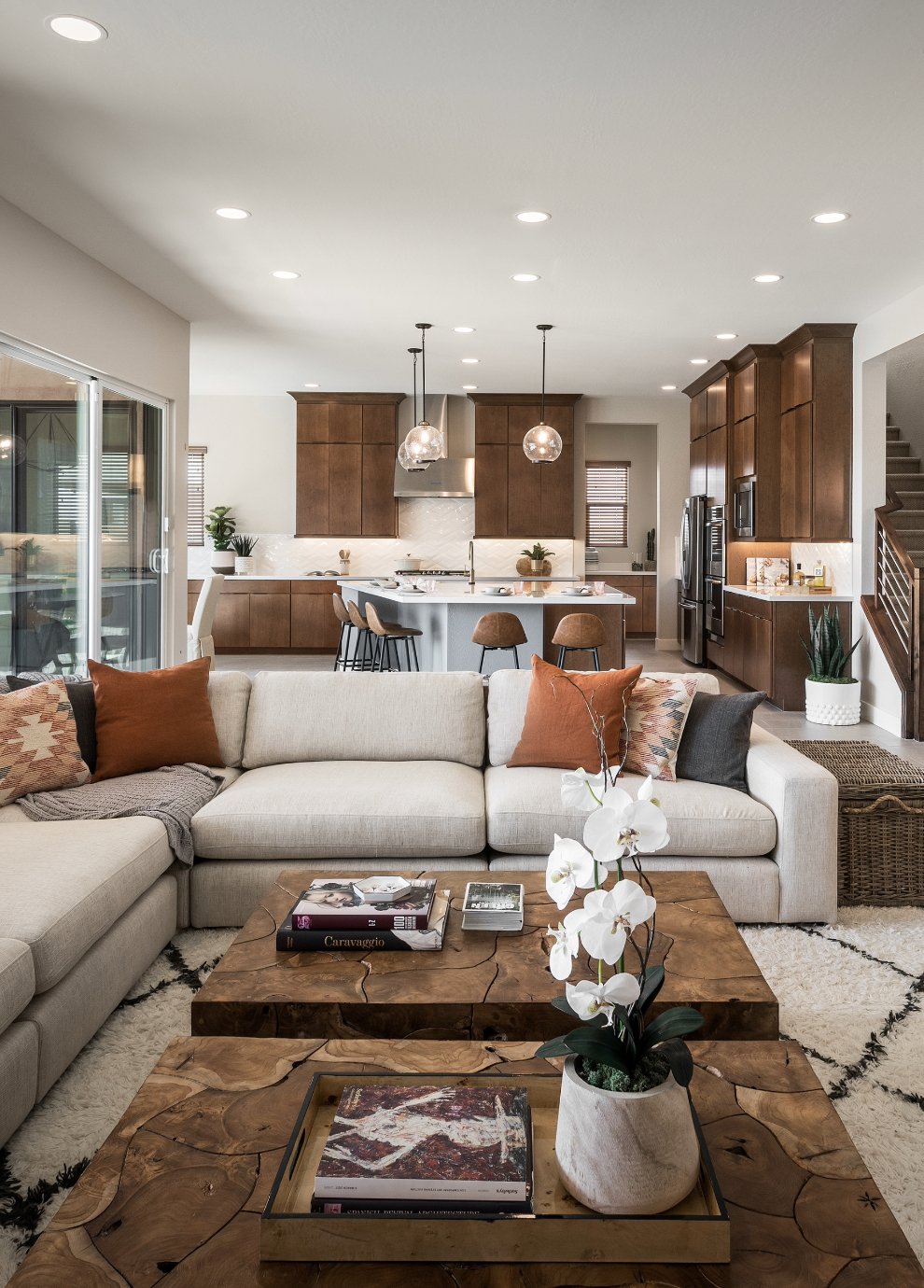
Bobby Berk made ten interior design collections for Tri Pointe Homes, which is one of the large national builders. The BB Edit, they call it. Walk the model home, then pick your finishes from his catalog at their design studio. It's rolling out across all fifteen metros the company builds in.
The word in the materials is personalize. You personalize your home by picking one of ten preset collections.
Berk isn't the villain here. It's a good program, and buyers probably leave happier than they would picking finishes cold with a sales agent hovering. But look at what the categories actually are.
They're not a taxonomy of human taste. They're an inventory system. Someone organized a warehouse. A showroom floor. A filter menu on a website. Eight or ten groupings, because eight or ten is about what a catalog can carry before shoppers give up.
Then it got handed to you as an identity, a quiz stapled to the front, and you spent years working out which shelf you belong on.
There isn't a shelf. It was a warehouse.
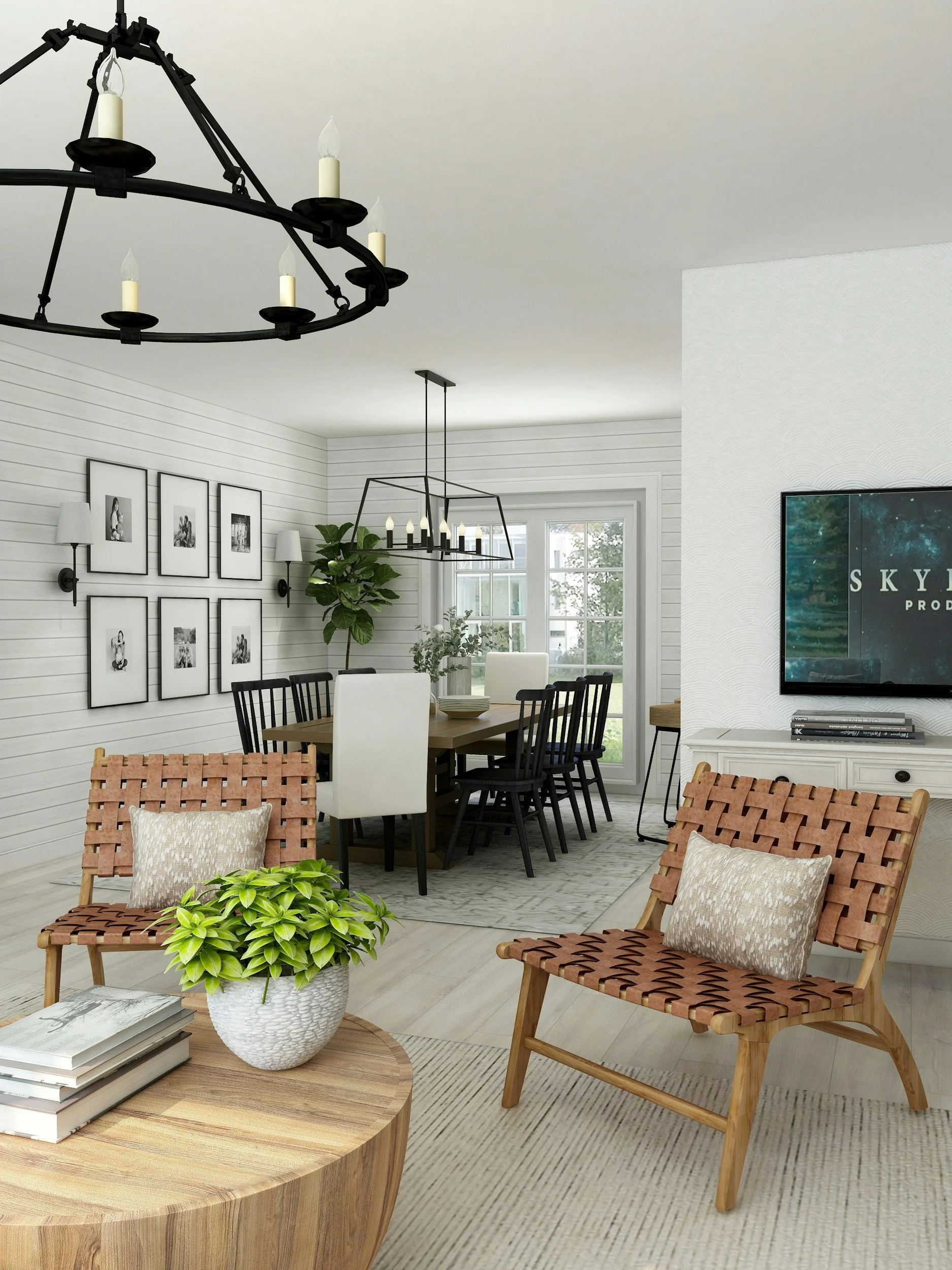
Image | Unsplash
Remember Modern Farmhouse
Somewhere around 2016 a whole lot of people found out they were modern farmhouse. It was on every show, every feed, every builder's spec sheet. Shiplap, black windows, a sliding barn door on a room that had never been within nine hundred miles of a barn. People committed. Whole houses.
Then it aged, the way these always do. Now it's a punchline. Whole accounts exist just to mock it.
Their taste didn't get worse. They took a category for an identity, and nobody mentioned the expiration date while they were buying.
We're still doing it, just faster. Cottagecore, coastal grandmother, sad beige, cluttercore. Named, hashtagged, sold, mocked, in that order, on an eighteen-month clock. Someone needed a word so a thing could sell, and invented one.
Then there's your phone. Tag yourself as a style once, and it feeds you more of it. A year of one narrow slice of everything that exists, and you feel certain that's who you are. The evidence is overwhelming. The evidence was built by a system that had to sort you before it could serve you.
A recommendation engine narrowed what you saw, and you mistook the narrowing for self-knowledge.
A label does this even when it's accurate. Decide you're minimalist, and you start giving away things you like, because people like you don't keep things like that. Decide you're traditional, and you pass on the modern piece that was right for the room, because it doesn't belong.
You didn't just fail to get a direction. You got an editor you never hired, living in your house, cutting things you liked.
The Eclectic woman dodged all of it. No norms to obey, no expiry date. She also got nothing to work with. A shrug with a name on it.
Image | Unsplash
Rooms that Fail the Quiz
Think about the most finished room you've ever stood inside. An actual house, not a screen. The one where something happened to you before you could explain what you were reacting to.
Bet money it isn't one aesthetic. Something old next to something new. A texture with no business being there, holding the whole room down anyway. A picture nobody could justify and that is exactly right.
That room would score terribly on a quiz. It couldn't answer the questions.
What holds it together is one person's attention, showing up again and again across years of unrelated decisions. Time edits those rooms, the unglamorous way, by living with things long enough to learn which ones ask too much and which ones just hold the day.
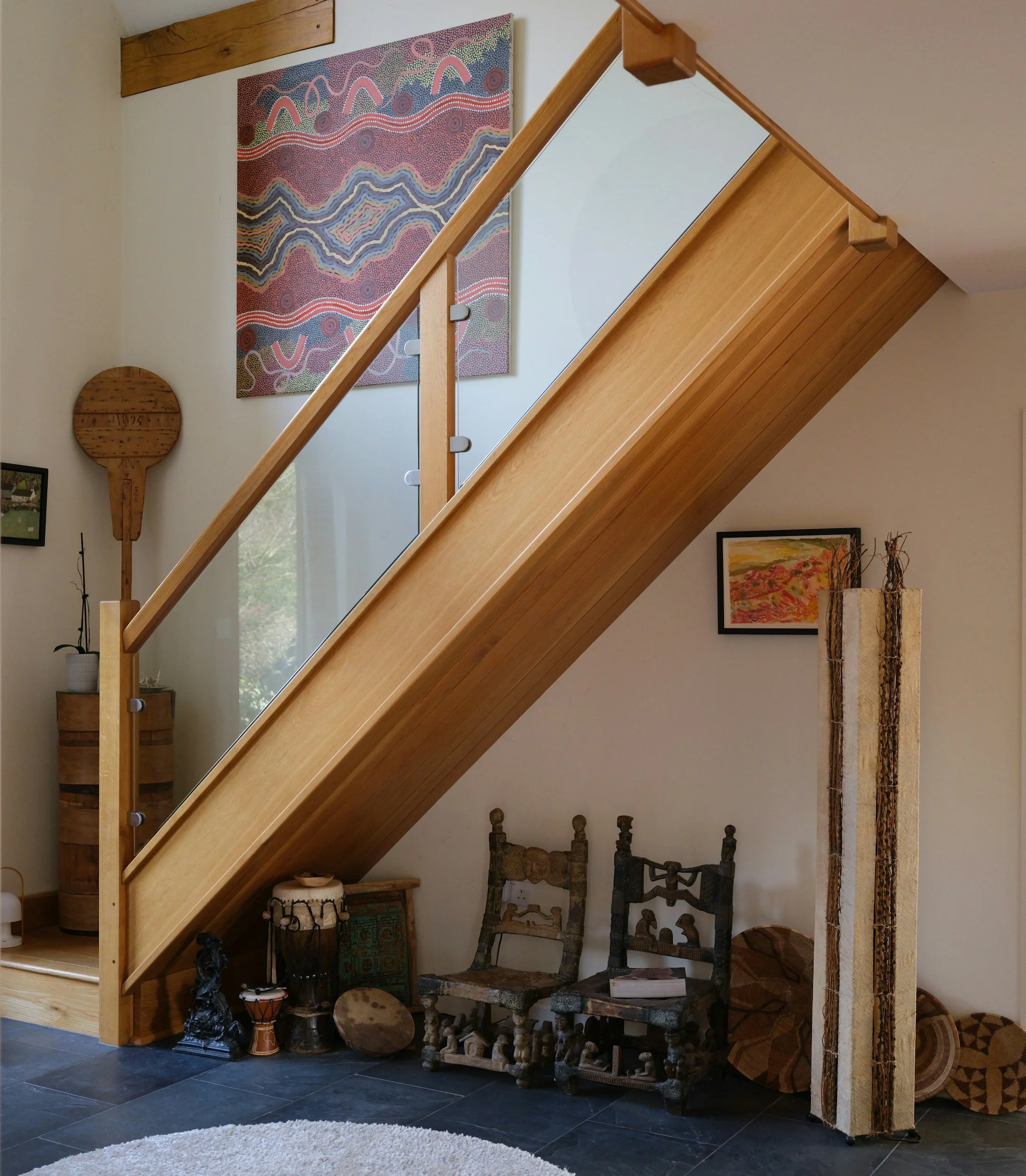
Image | Unsplash
It Was Never About Style
This comes up constantly and it almost never gets diagnosed right.
When someone tells me they've lost their style, something in the life moved first. A move. A relationship that rearranged everything. A stretch where the pace changed and the house didn't. The place starts feeling like an echo of whoever used to live there. Style is just the closest word they have for this doesn't feel like me anymore.
That's a timing problem wearing an aesthetic costume, and no quiz ever built can detect it.
Better question. Not what am I. What does this room need to do for the person I am right now, this year, not the one who bought that sofa three years ago, not the one who'll have it all figured out eventually.
You were never lost. You were just never in the catalog, and the catalog was the only place with names to hand out.
I don't run sessions on a quiz. I run them on evidence. It looks nothing like a personality test, and it takes considerably longer than four minutes.
A warehouse can't tell you who you are. It was never built to.

If you'd rather find the pattern than the label, that's what Design Mood is. Two hours, one room, not one question about which aesthetic you are. It's for the person who wants to know what she's already been choosing.
If what you want is a category and a shoppable list to go with it, the quiz is free and it takes four minutes.
And I mean that with only the tiniest drop of sarcasm.