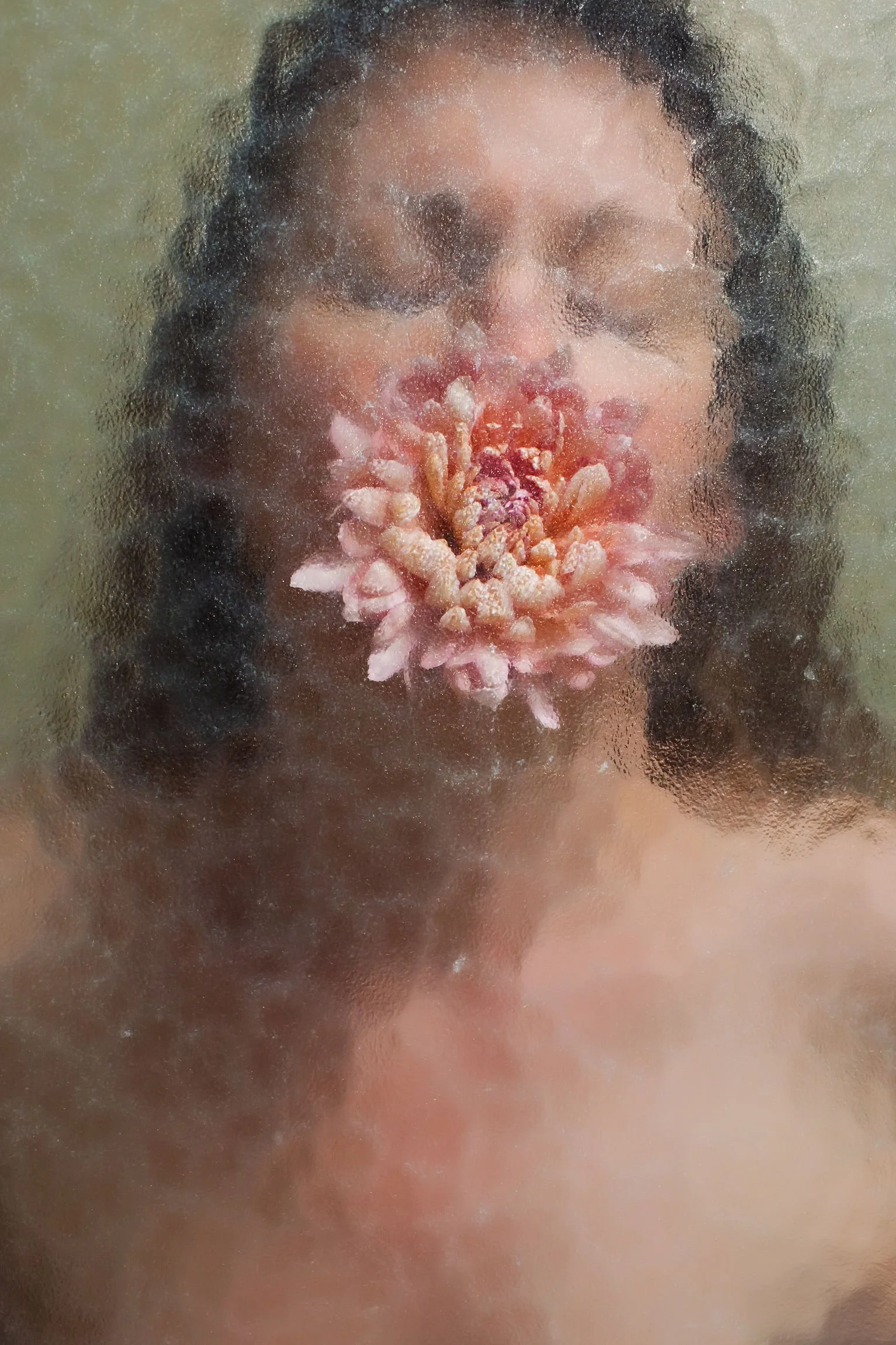
Before it was a method, it was a question I could not stop asking.
What actually connects the things you keep reaching for?
Not the aspirational stuff. Not the things you think you're supposed to like. The actual things your hand moves toward when nobody's watching, when you're alone in your closet or scrolling late at night or walking through a thrift store and something stops you cold.
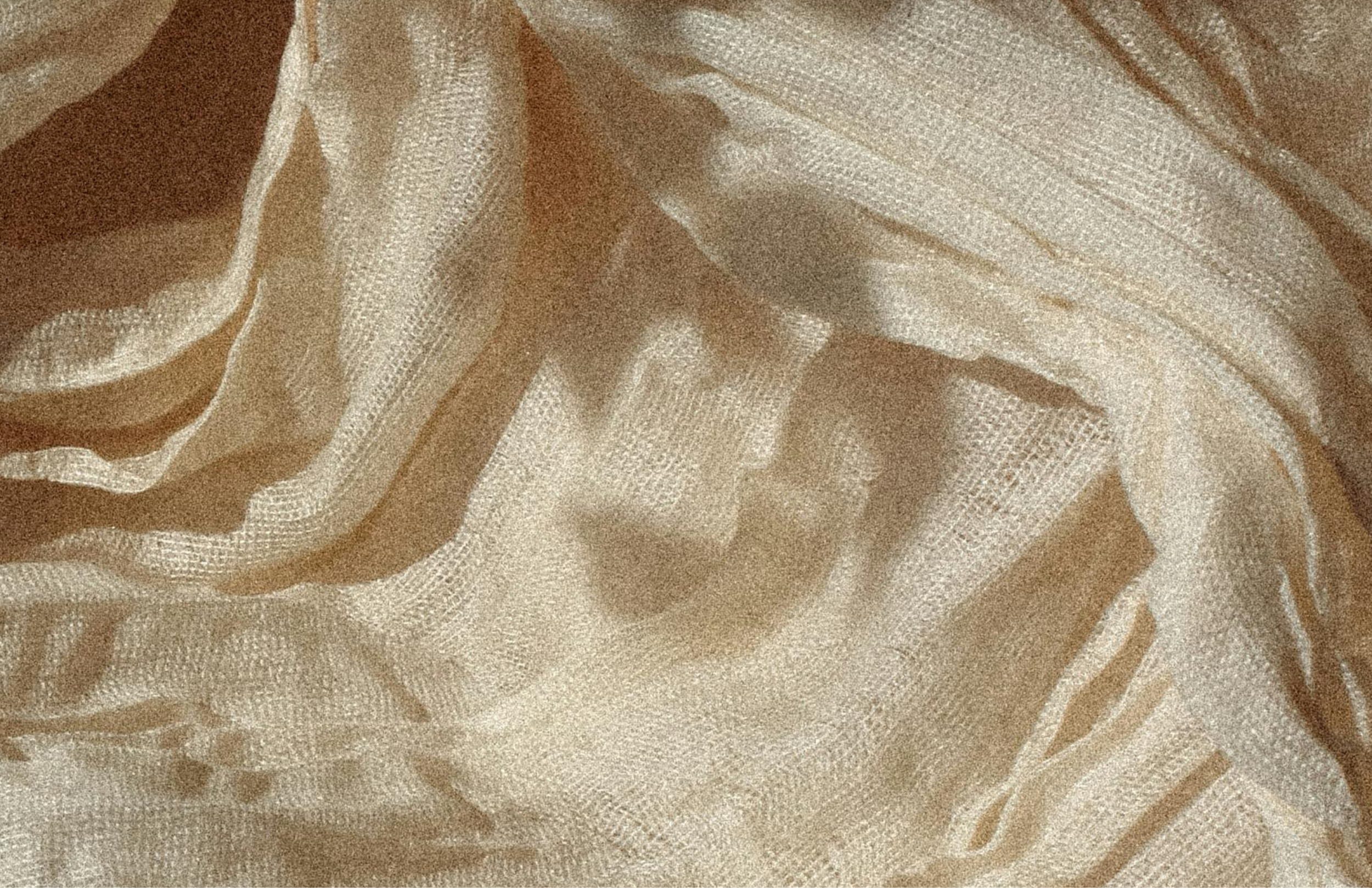
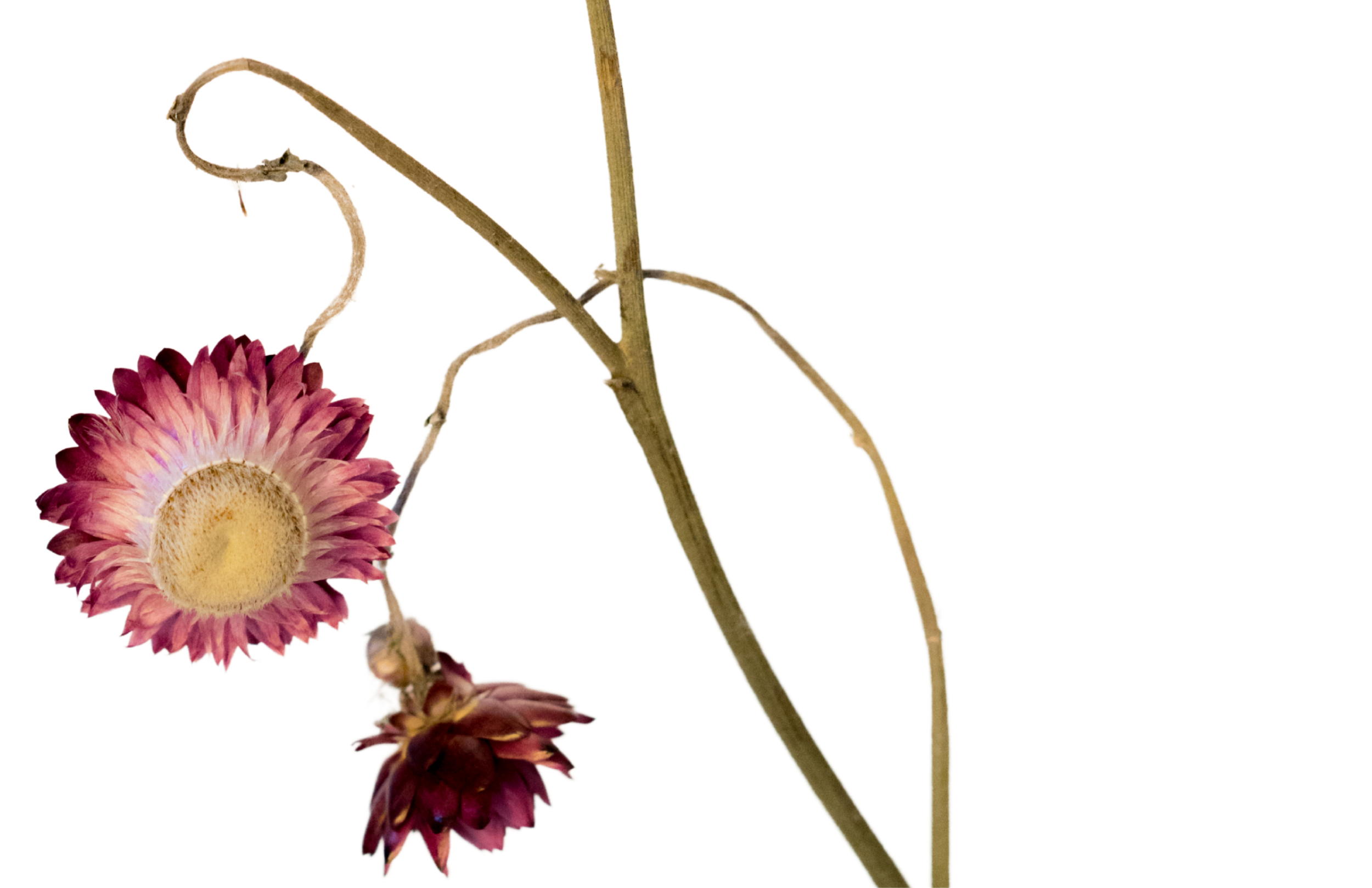
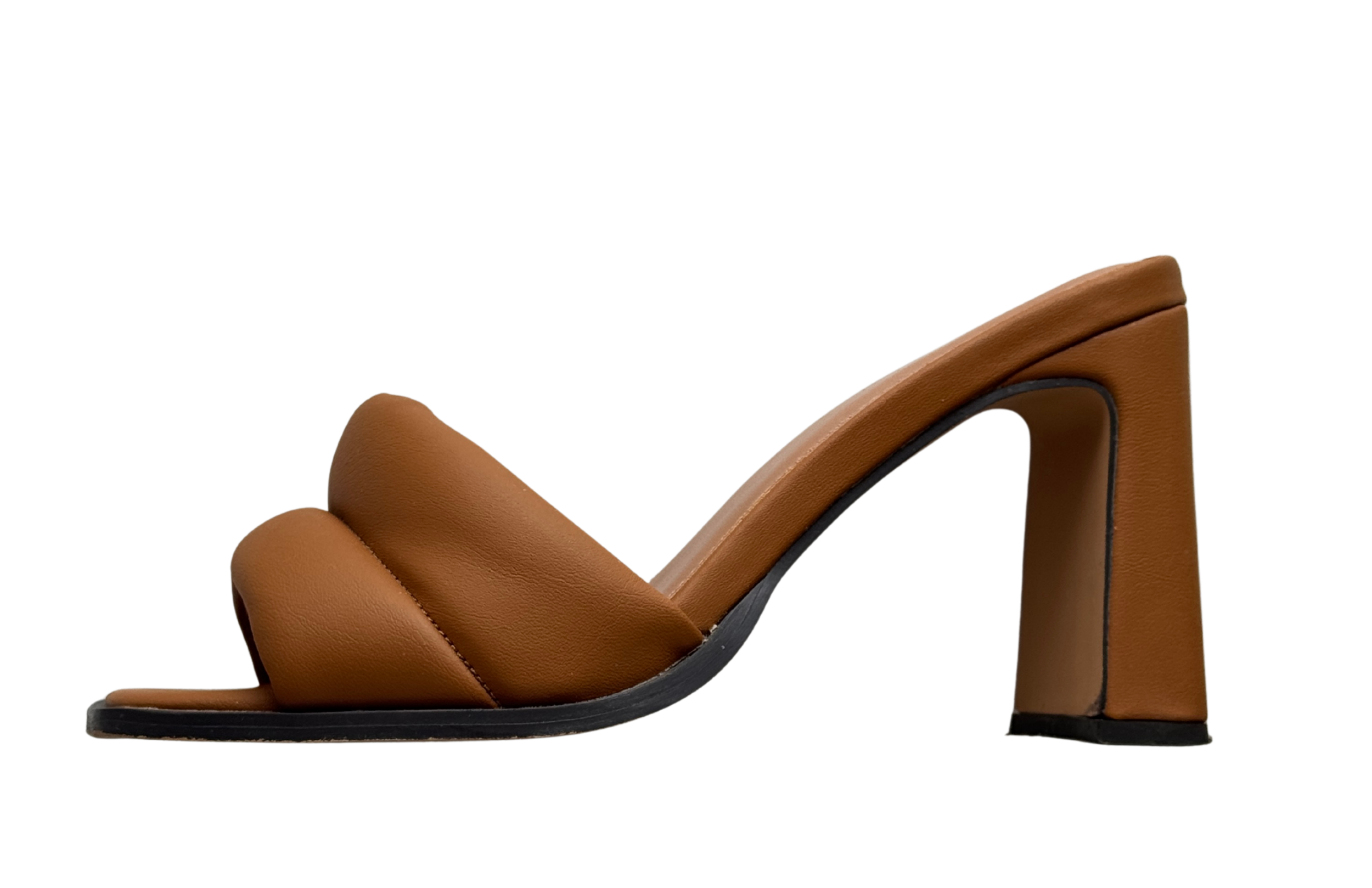
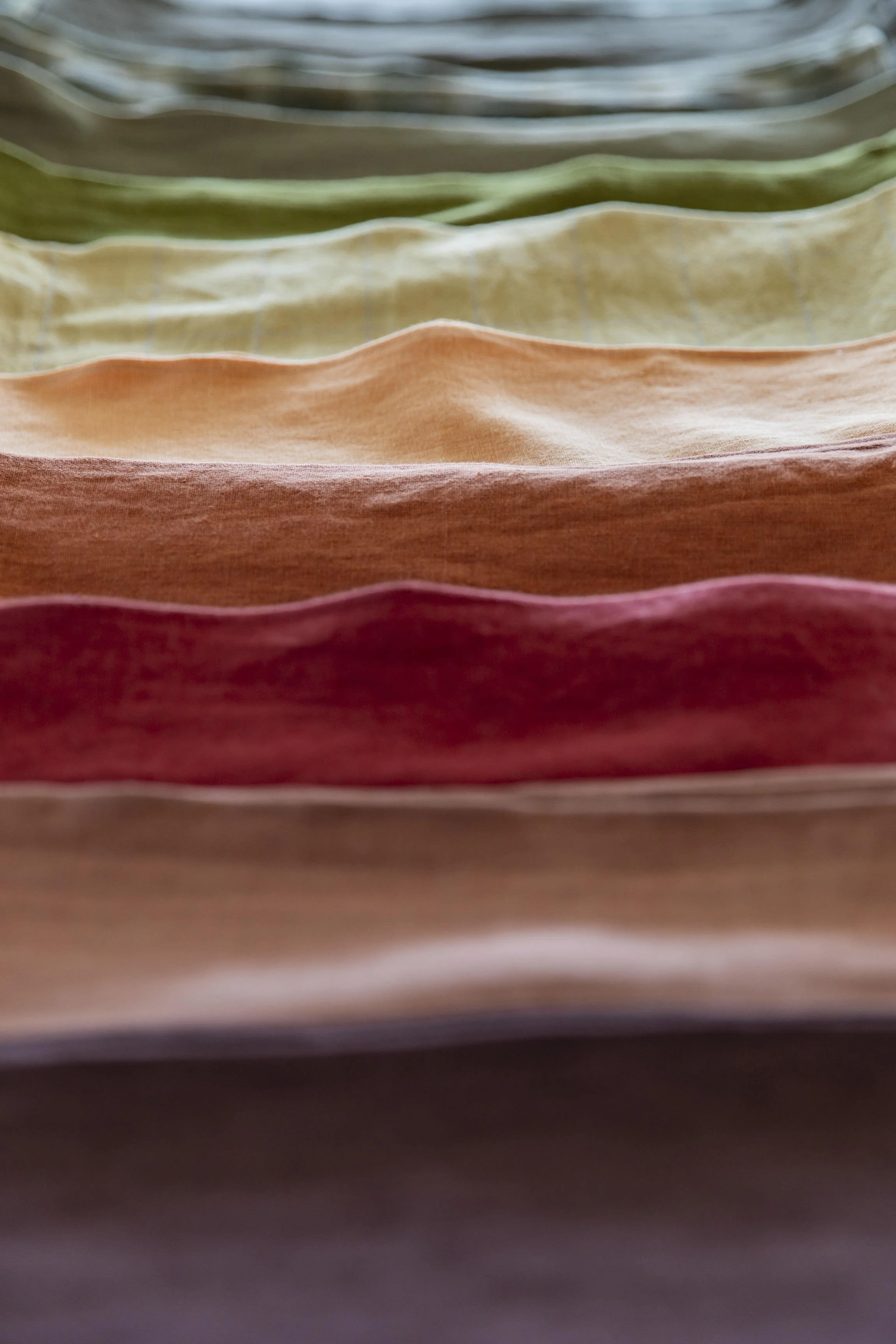
I built mood boards for years before I understood what I was actually doing.
Everyone makes them.
You've seen hundreds. The kind where a designer pulls images from the internet and arranges them on a grid so it looks cohesive and styled and beautiful for a presentation, and then you leave the meeting and can't remember a single one by the time you're home.
The ones I was building looked different because I was asking a different question. Not what is beautiful. What is this person drawn to, over and over, when I actually look at what they choose instead of what they say they want.
Some were for clients stuck on decisions.
Some were for my own eye, working something out, chasing a feeling I could sense but hadn't found the name for yet.
All of them followed the same pattern. I'd take everything scattered and instinctive and arrange it until the thread became so clear it couldn't be ignored.
That thread was always the same. It was proof.
Proof that the person already knew what they liked. Proof that it wasn't random. Proof that the next decision, once you could see the pattern, answered itself.
Taking all the scattered things someone kept reaching for and arranging them until the pull became visible.
Years later, when I built Design Mood and the True Filter, that habit became the foundation.
I didn't have language for it then. I called it finding the current.
The True Filter doesn't start with images pulled from the internet.
It starts with you. Your closet. The things you actually own and reach for. Your gut reactions to things nobody forced you to like. It builds outward from what's already real instead of inward from what looks nice on a screen.
The mood boards were the sketch. Design Mood is where that sketch becomes something you can actually use.
The method got built around it.
The goal never changed. Find the thread. Make it undeniable. Give someone a lens they can hold up against every decision after this one and know exactly what they're looking at.
-

A Moody Home
-

Minimalist Office
What clients said…
Design Mood Client
"We felt truly understood. Like someone finally translated what was in our heads into something we could see and start using."
Design Mood Client
"The board didn't just inspire, it decided for us. In the best way."
This is where it started.
Not a mood board you forget by checkout. Two hours where I help you see the thread that's already running through everything you reach for, so the next decision stops being a guess.