
THEY DIDN’T NEED MORE THINGS.
THEY NEEDED THE Nerve TO Trust WHAT THEY Liked.
They agreed on almost everything from the start, which if you've ever furnished a home with someone else, you know is rare enough to notice.
The home looked exactly like what they wanted. And they still didn't feel it. Something was missing, and neither of them could name what.

Here's what I found once we sat down and talked it through. They'd pick a color together, agree on it completely, and put the swatch back before checkout.
Not loud, saturated, paint-swatch color. The idea of it. The risk that adding anything would tip the whole home into something they'd regret by the following week.
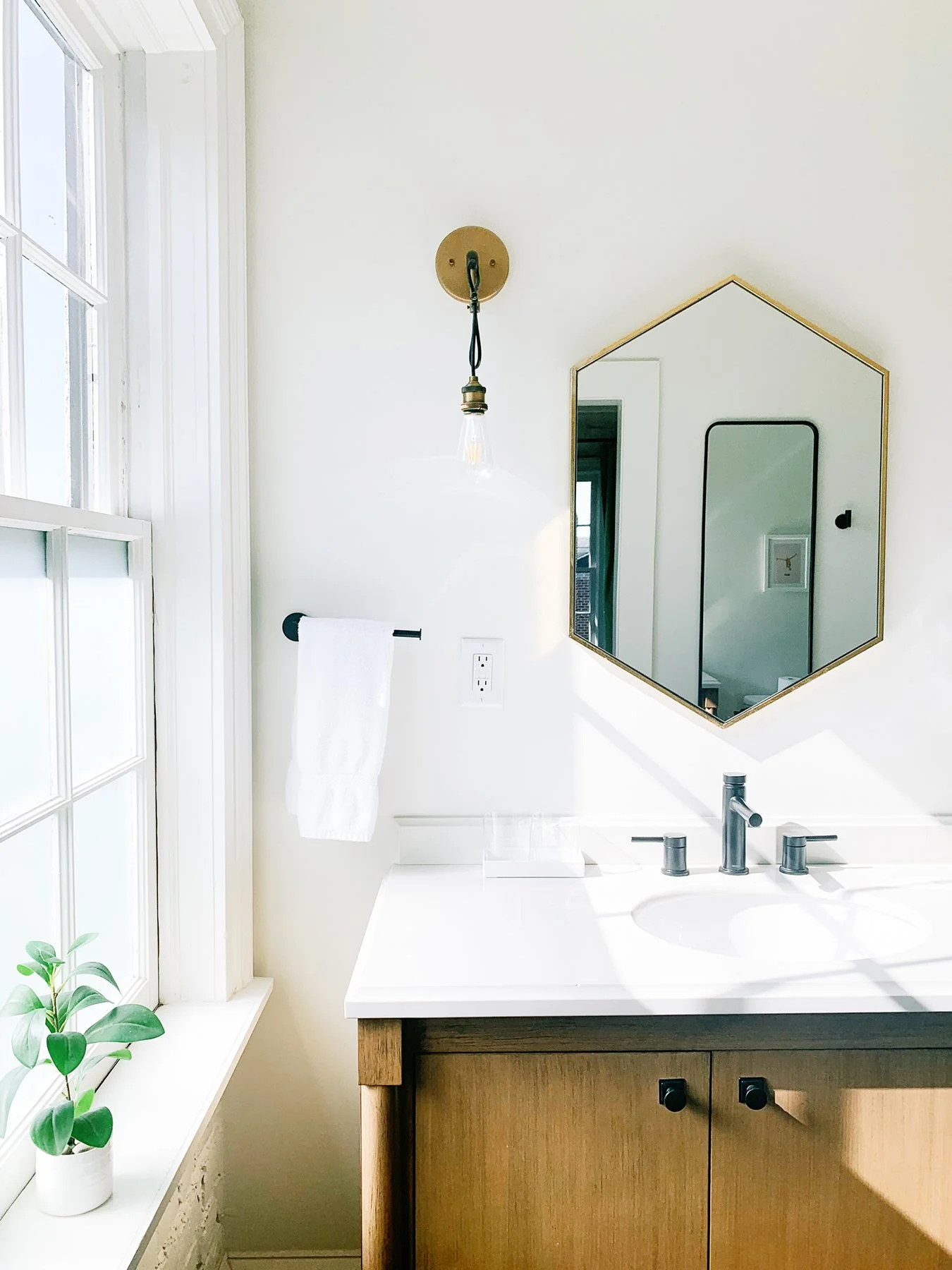
So they kept doing what felt safe: more white, more neutral, more of the same thing that already wasn't working.
WHAT WAS WAITING OUTSIDE THEIR WINDOW
We did not start with shopping.
We started by asking what color meant to two people who didn't trust it.
Turns out they didn't hate color at all. They hated the version of it that shows up on a paint chip. What they were drawn to already existed outside their window. Clay. Sage. Bark after rain. Tones neither of them had to defend, because nature had already made the case. That gave them something to agree on beyond taste. It gave them a filter.
ONE PALETTE, NOT FIVE COLORS
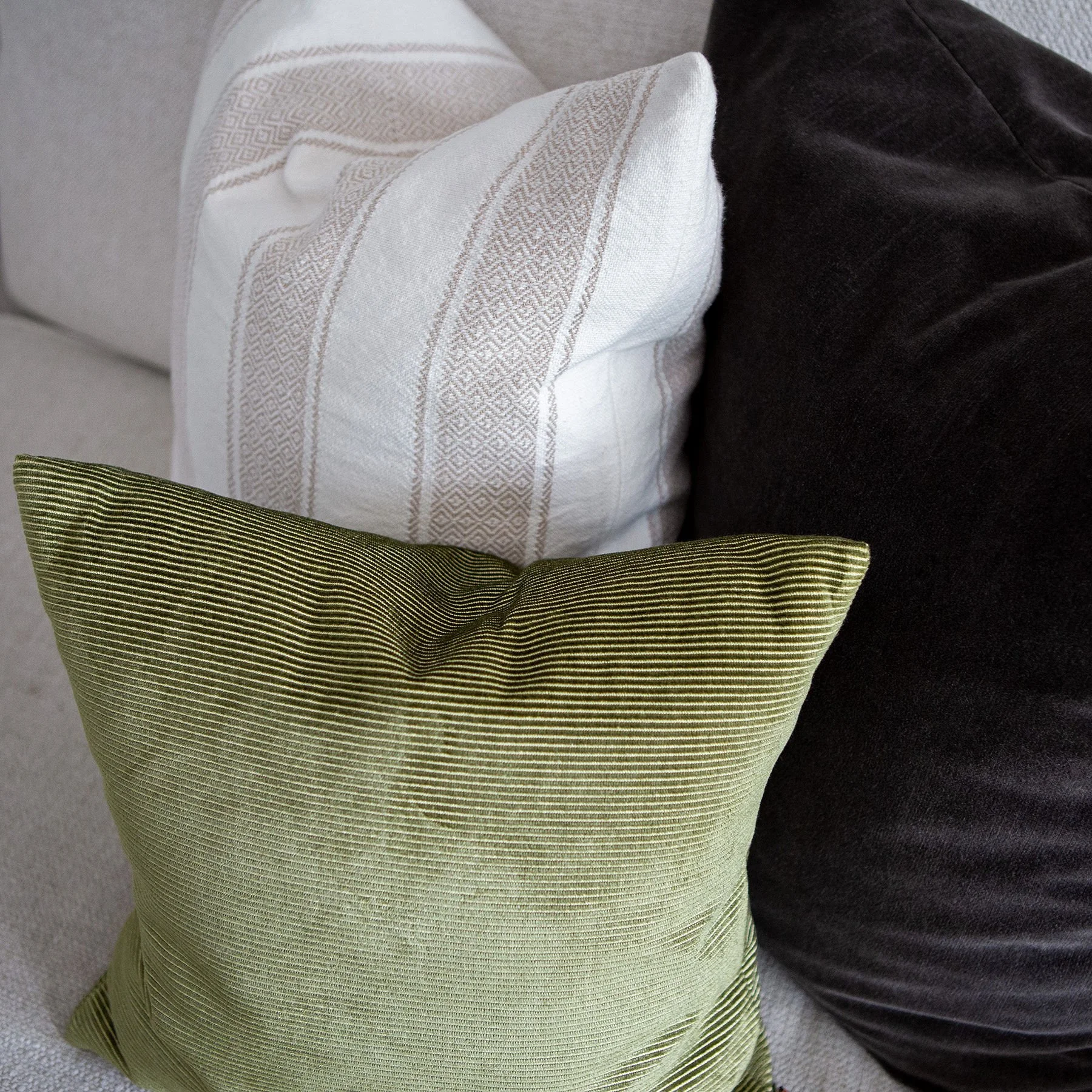
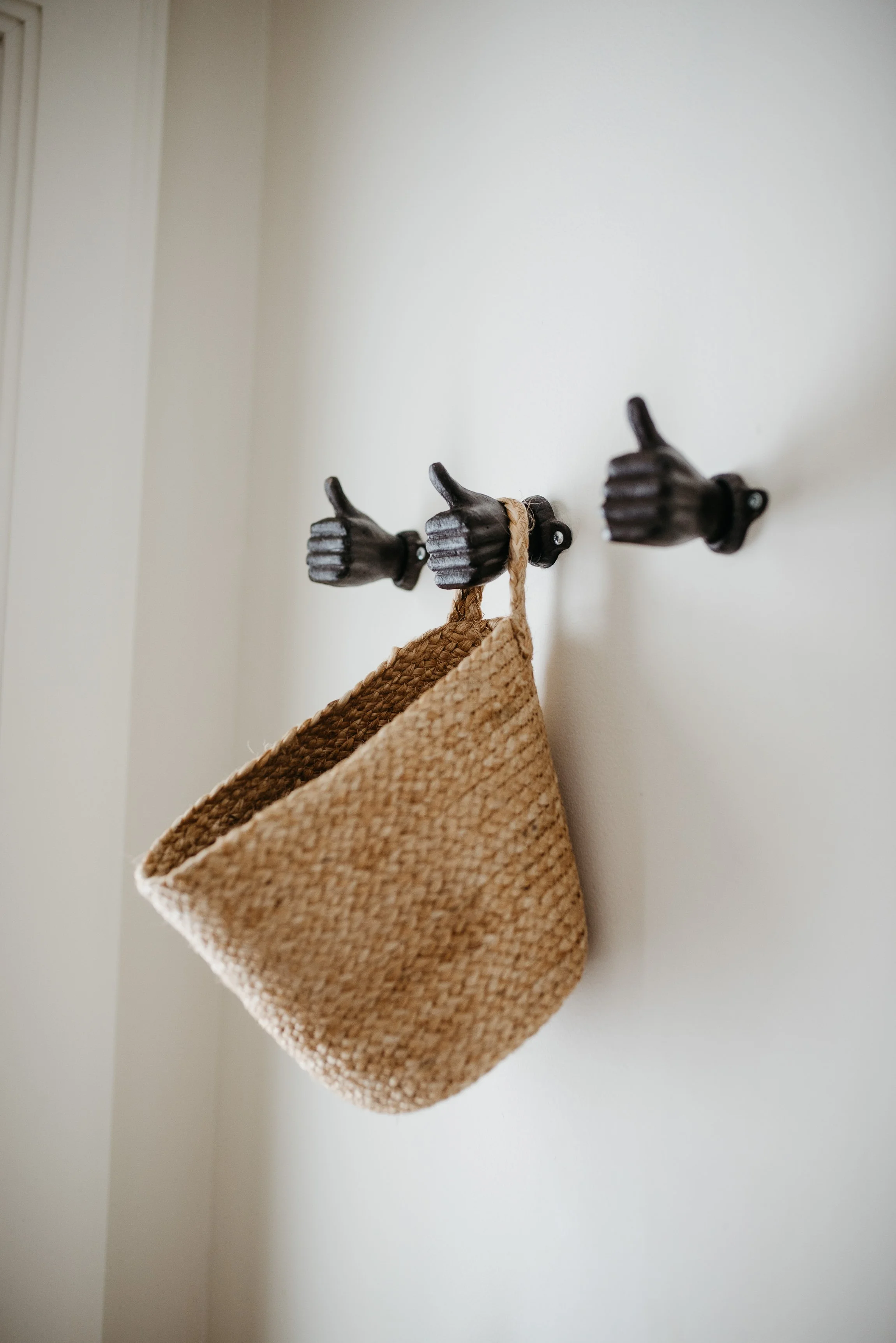
We didn't repaint or replace furniture. Almost everything they owned stayed exactly where it was. What changed was texture: layering woven pieces against smooth ceramics against raw wood, all within the same handful of tones, so nothing shouted, but your hand could feel the difference the second it touched the room even when your eye almost couldn't.
That's the part most people never get told. You don't need five colors to make a home feel like somebody lives there. You need one palette, and a few textures doing different jobs. The home got warmer, without losing a single thing that made it theirs to begin with.
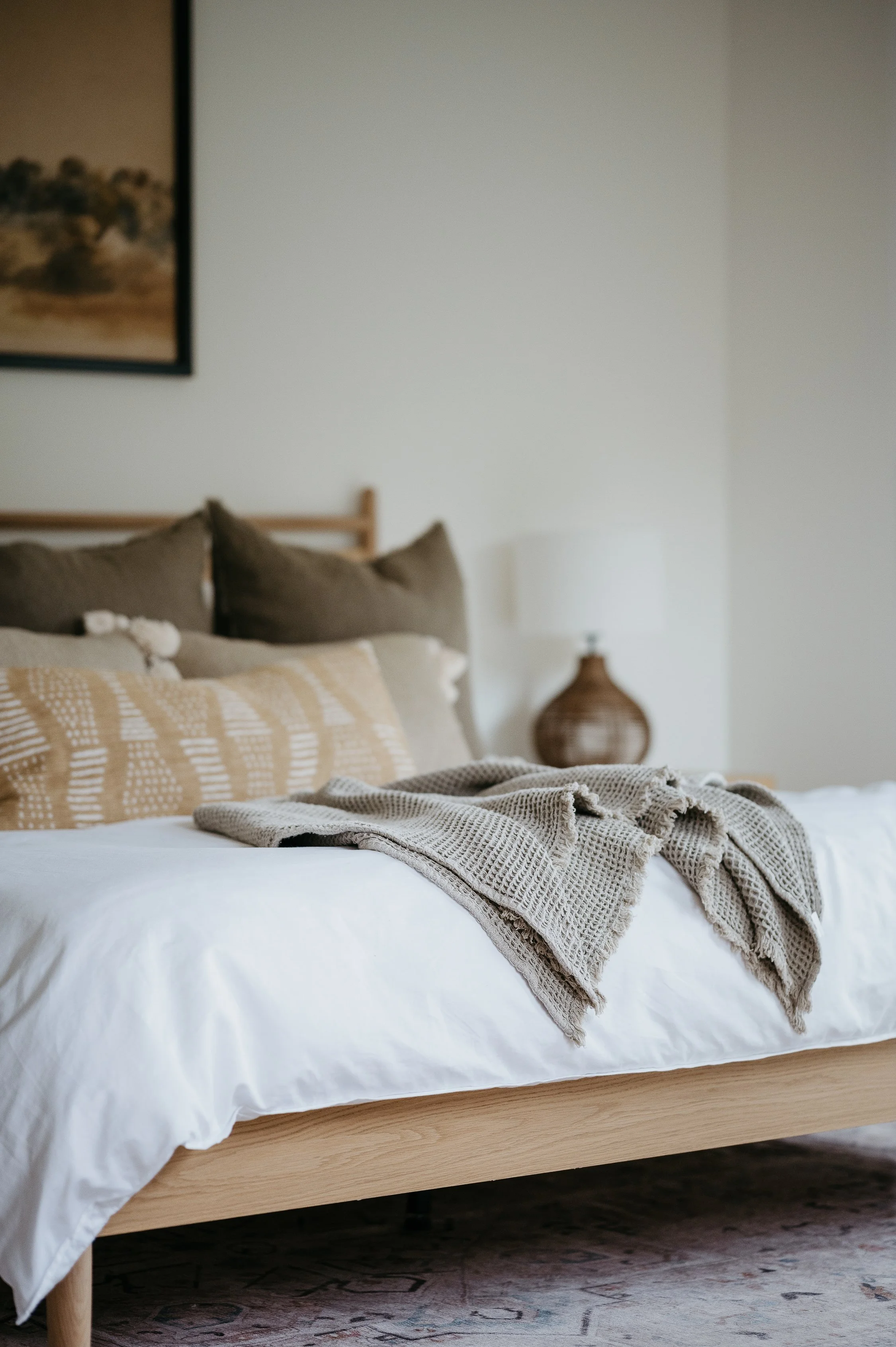
They stopped sending each other photos asking what do you think. They started trusting the instinct that made them stop and look in the first place.
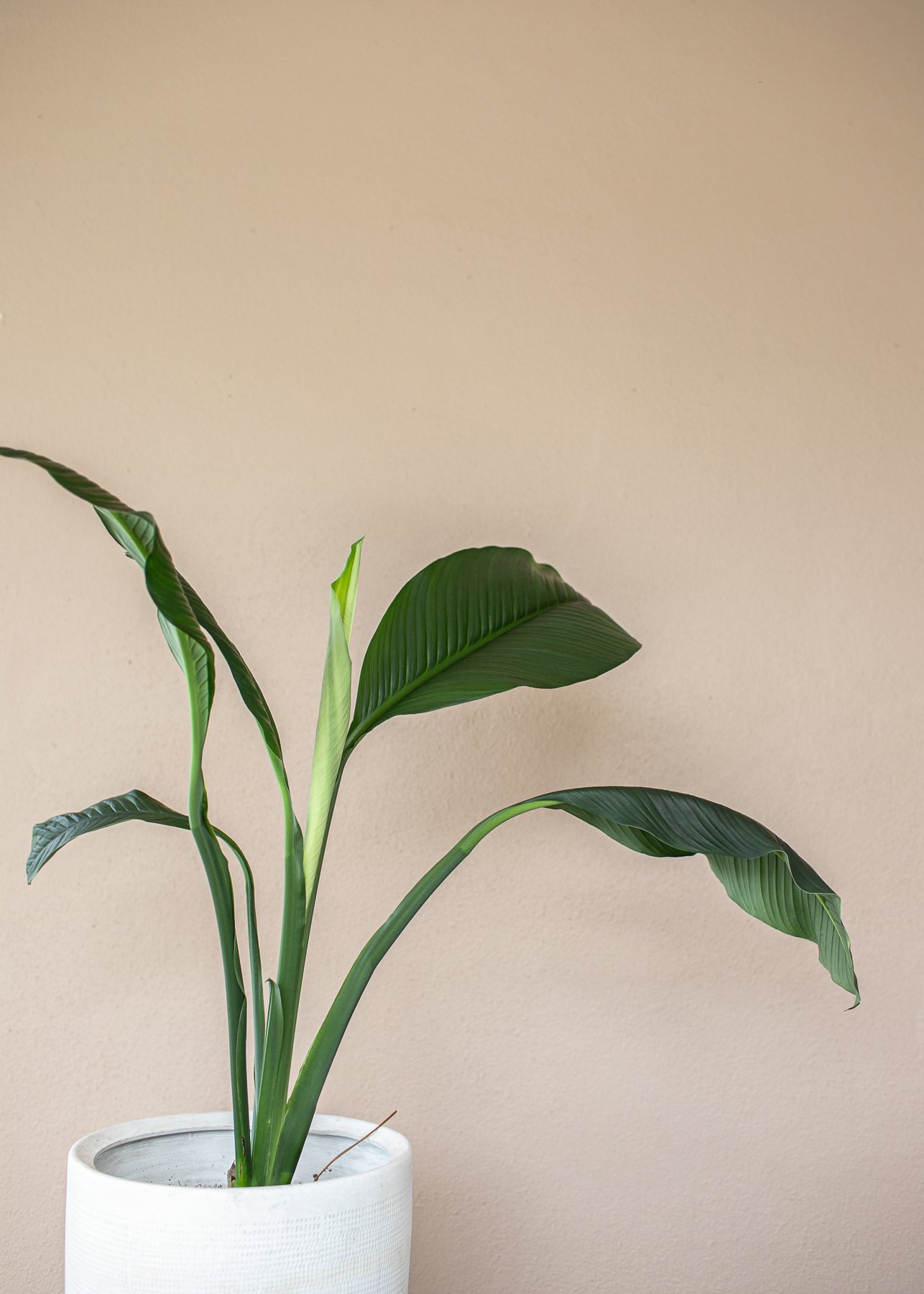
The most important thing one of them said afterward: the real shift wasn't the house. It was realizing they'd been agreeing on things the whole time. They'd just been too afraid to trust it.

That's the part nobody tells you about building a home with someone else. What's missing is the nerve to stop second-guessing it.
WHAT CHANGED MORE
THAN THE HOME
This is the other half of the same work: two hours to find the language for what you're already drawn to, so you stop needing someone else's opinion on your own home.
“The hardest part wasn’t choosing new things. It was giving myself the courage to let go of the old ones.”