You Said "for now" in the Store

Image | SohoHome
You've been paying for it ever since.
You can tell in about four seconds whether a piece is well made. You've sent things back. You've waited months for the right version instead of taking the available one.
And your house is full of furniture you think about.
Not all of it. There's a chair in my living room I have never once questioned. Not when I moved. Not when I repainted and rearranged and reconsidered everything around it twice. Not when I walked past something similar in a store, held it up against my memory of mine, and felt absolutely nothing.
It stopped being furniture a long time ago. The goal was never the chair. The goal is the not thinking.
Everything else I've owned, I thought about constantly. Not usefully. More the way you think about a sound in the wall that's never been loud enough to call anyone about.

Image | Fourhands
Say It Out Loud
Here's the part I want you to sit with.
Go find the piece in your house that bothers you most. Now remember what you told yourself when you bought it.
You said for now.
Maybe you said it to a partner. Maybe just in your head, standing in the aisle, doing the math. The price was right and you needed six and you'd upgrade eventually. Eventually now has a recurring calendar entry you keep pushing to next quarter.
You didn't buy furniture. You bought a delay, and it was expensive, and it's still sitting in your dining room.
Nobody Wants You To Stop
Now the part that made me angry when I finally saw it.
A piece you keep for twenty years is one sale. A piece you buy for now is a sale every four to six years, forever, for the rest of your life.
The entire retail furniture business runs on the second one. That's the sale. Not the heirloom, not the piece your kid fights their sibling over. The replacement cycle. The upgrade you promised yourself. The thing that was fine.
Notice how the language is built for it. Starter. Transitional. Great value. Perfect for right now. Every one of those phrases is doing the same job, which is getting you to spend real money while telling yourself the decision hasn't happened yet.
It's a genuinely elegant trap. You feel responsible, because you didn't overspend. You feel patient, because you're waiting for the right one. And you leave with something you'll pay to replace.
You were not being indecisive. You were being sold to, by an industry that needs you to never feel satisfaction.

Image | 1stdibs
The One You Researched Hardest
Second thing, and this one surprised me more.
Go look at the pieces you kept. The ones you don't think about. I'd bet you decided on most of them fast.
Now look at whatever you researched for four months. Forty tabs, spreadsheets, the whole file. How's that piece doing?
The heavy research was never you being careful. It was you building a case, because something in you already knew the answer was no and you were trying to argue it into a yes. When a piece is actually right, you know in a few seconds and the rest is paperwork.
That's why the chair is the least interesting object I own. There was no story. I saw it, I knew, I bought it, and it has never asked me for anything since.
Image| Unsplash
The Mattress Nobody Sees
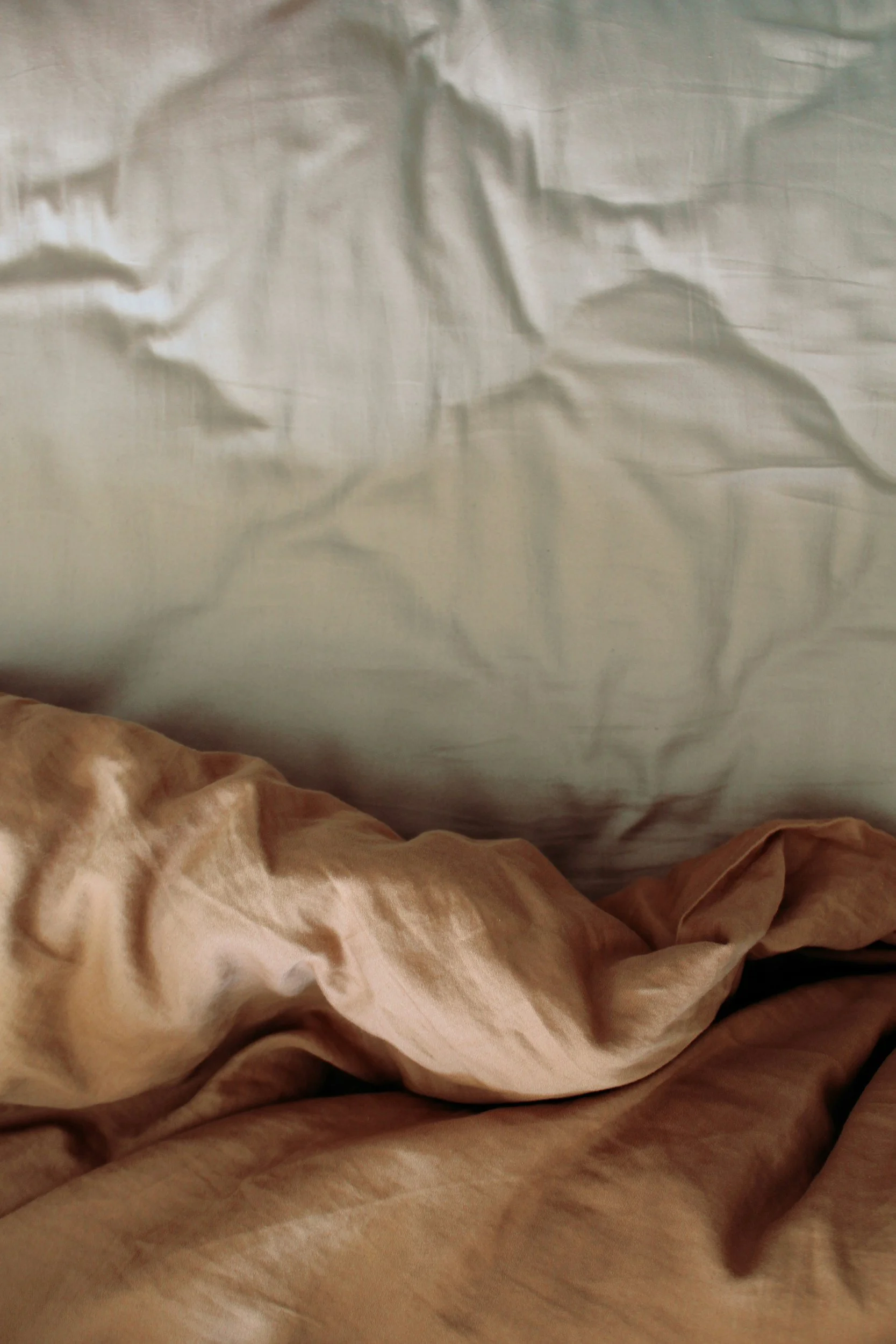
Expensive. Completely invisible. Nobody would ever see it, comment on it, or connect it to any taste I'd managed to develop. There was no case for it that looked good written down. I'd sleep on it alone, every night, with no audience.
I bought it anyway, with the specific anxiety of someone who suspects they're being unreasonable.
I have never regretted it once. The mattresses before it are gone and I couldn't tell you where, because they never really arrived in the first place. That one is still here.
Here's what it taught me, and I haven't been able to unknow it since.
Everything I'd bought for the version of my life I was going to have got replaced. Everything I bought for the life I was actually living stayed. Not the pieces that photographed well. Not the ones that made sense on a spreadsheet. The ones chosen for the real hours, the real body, the real nothing-is-happening Wednesday evening that still needs somewhere decent to land.
Everything else, however good it looked in the cart, was a placeholder in flattering light.

Image | Handholdstudio
Stop Saying For Now
You're not bad at this, I promise. You've been running a system designed by people who profit when you don't commit, and you've been blaming your own taste for the result.
So the next time you catch yourself saying for now, stop and finish the sentence honestly. For now means I am spending real money on something I've already decided to replace.
Sometimes that's the right call and you'll say it anyway. Fine. Say it on purpose.
But most of the time, the piece you'd have picked if nobody was watching and no budget was pending costs less than two rounds of for now and you'd have stopped thinking about it in week one.
I can't tell you which chair. I can tell you the one you'll stop thinking about is not the one you're researching hardest right now.

Image | SonderLiving
Mindful Home Creator is twelve weeks of making these calls across a whole house until you stop checking them.